

In the fast-paced world of dental aesthetics, teeth whitening veneers have become a go-to solution for those aiming for a dazzling smile. These custom-made, ultra-thin shells bond to the front of teeth, instantly enhancing their appearance and offering a long-lasting cosmetic upgrade. Understanding the nuances of different veneer types, like E-Max Veneers, Dental Veneers, and Zirconium Dental Veneers, is key to making informed oral aesthetic decisions.
What are Teeth Whitening Veneers?
Teeth Whitening Veneers, a subset of Dental Veneers, are typically crafted from porcelain or composite resin. They're designed to fix stains, chips, cracks, and gaps, while achieving a brighter, more uniform smile.
Porcelain Veneers are prized for their natural look and durability, closely mimicking tooth enamel's translucency and luster. E-Max Veneers, made from lithium-disilicate ceramic, combine strength, esthetics, and minimal tooth prep, blending seamlessly with surrounding teeth. Zirconium Dental Veneers, composed of zirconium oxide, stand out for their exceptional strength, resisting chipping and cracking, ideal for patients with heavy biting forces.
The application process starts with a dental check-up. Dentists then take tooth impressions for custom-made veneers in a lab. A small amount of enamel is removed before bonding the veneers with a specialized adhesive.
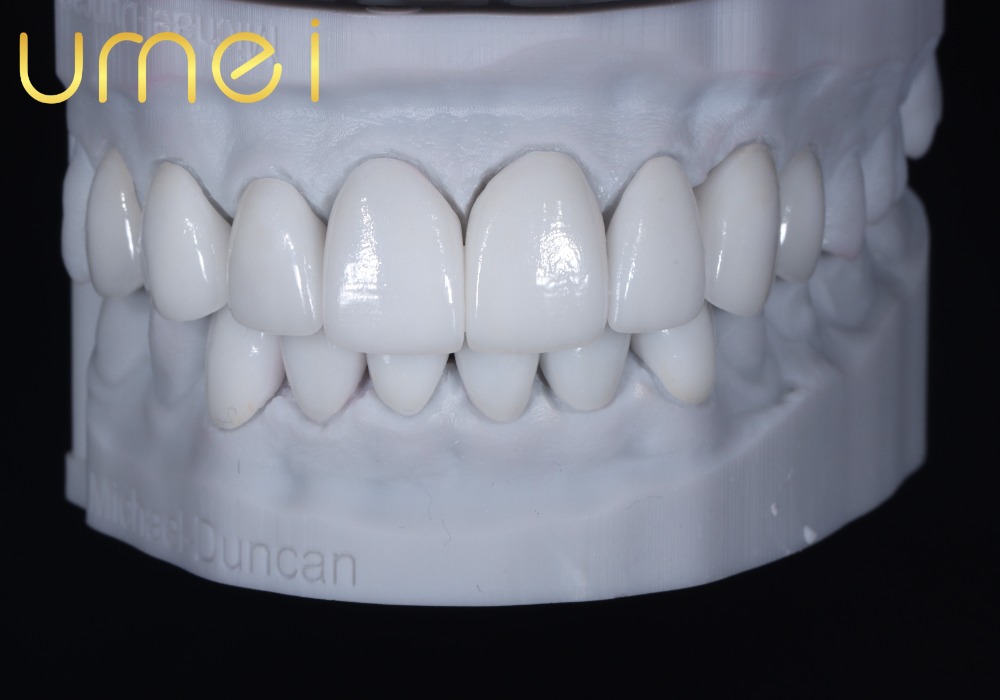
Key Features and Performance
Veneers excel in aesthetic appeal, transforming stained or imperfect teeth. For instance, porcelain veneers can give a new lease on life to teeth discolored by tetracycline. Their non-porous surface makes porcelain- based veneers, including E-Max and Zirconium Dental Veneers, highly stain-resistant to common culprits like coffee and tobacco. In terms of durability, Zirconium Dental Veneers top the list, withstanding strong biting forces, while E-Max and porcelain veneers can last 10-15 years or more with proper care.
Who are They Suitable for?
They're perfect for those with stained teeth due to aging, medications, or lifestyle habits; individuals with minor chips, cracks, or gaps; and anyone seeking a quick, long-term smile transformation.
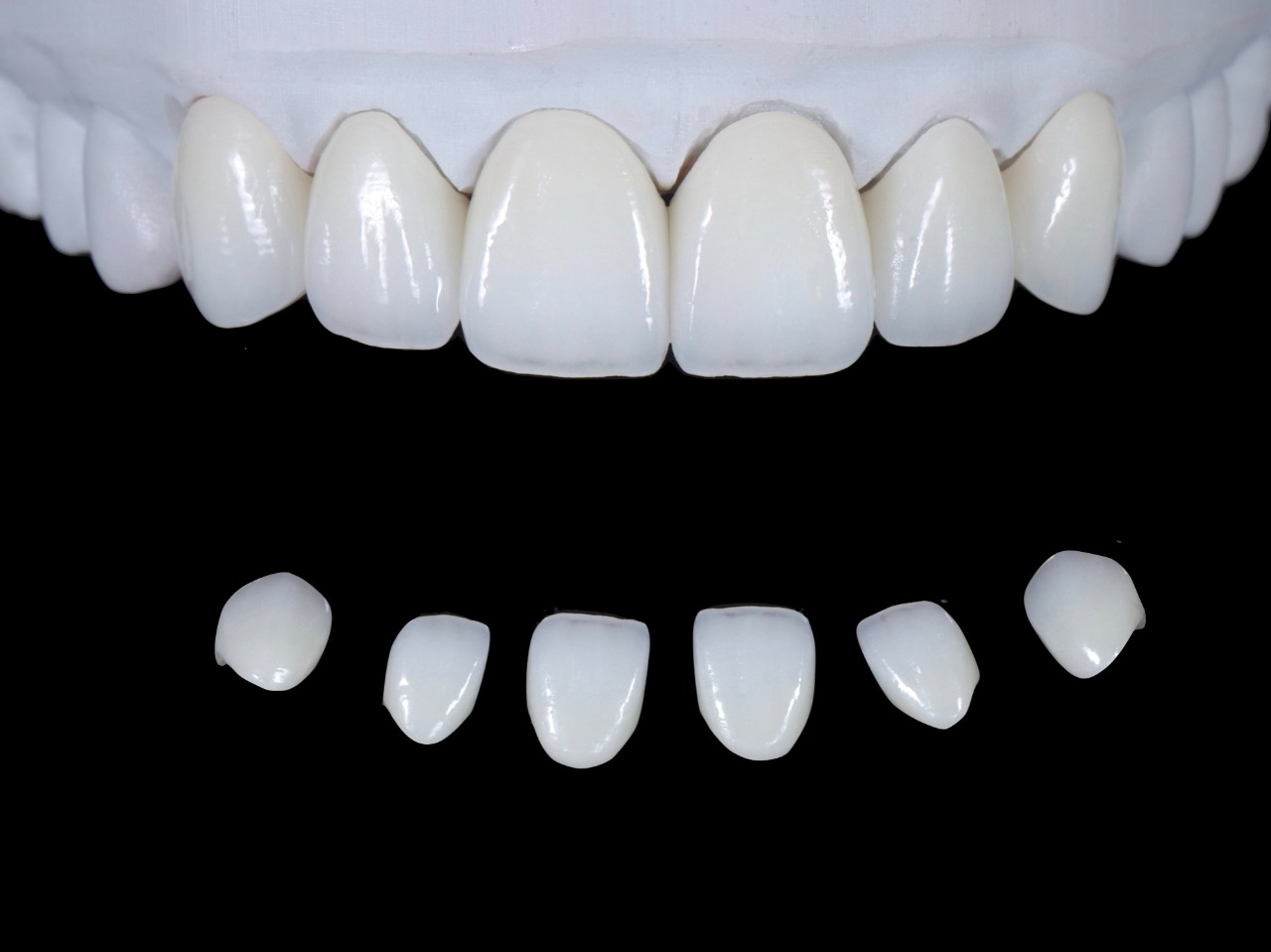
Maintenance of Teeth Whitening Veneers
Good oral hygiene is crucial. Brush twice daily with a soft - bristled toothbrush and floss daily to keep bacteria at bay. Avoid harmful habits like nail-biting and ice-chewing, and limit staining foods or rinse promptly after consumption. Regular dental check-ups ensure veneers stay in top condition, allowing dentists to spot and address issues early.
In the dental industry, digital dentistry, with CAD and CAM technologies, is revolutionizing veneer design for a better fit and natural look. Research into nanomaterials also hints at future veneers with enhanced durability and stain resistance.