a) Intraoral Scanning & 3D Design
Companies like 3Shape, Medit, and iTero showcased their latest intraoral scanners, enabling precise digital impressions without traditional molds.
AI-powered design software now assists in creating anatomically accurate veneers with optimal occlusion and esthetics.
b) Chairside Milling Systems
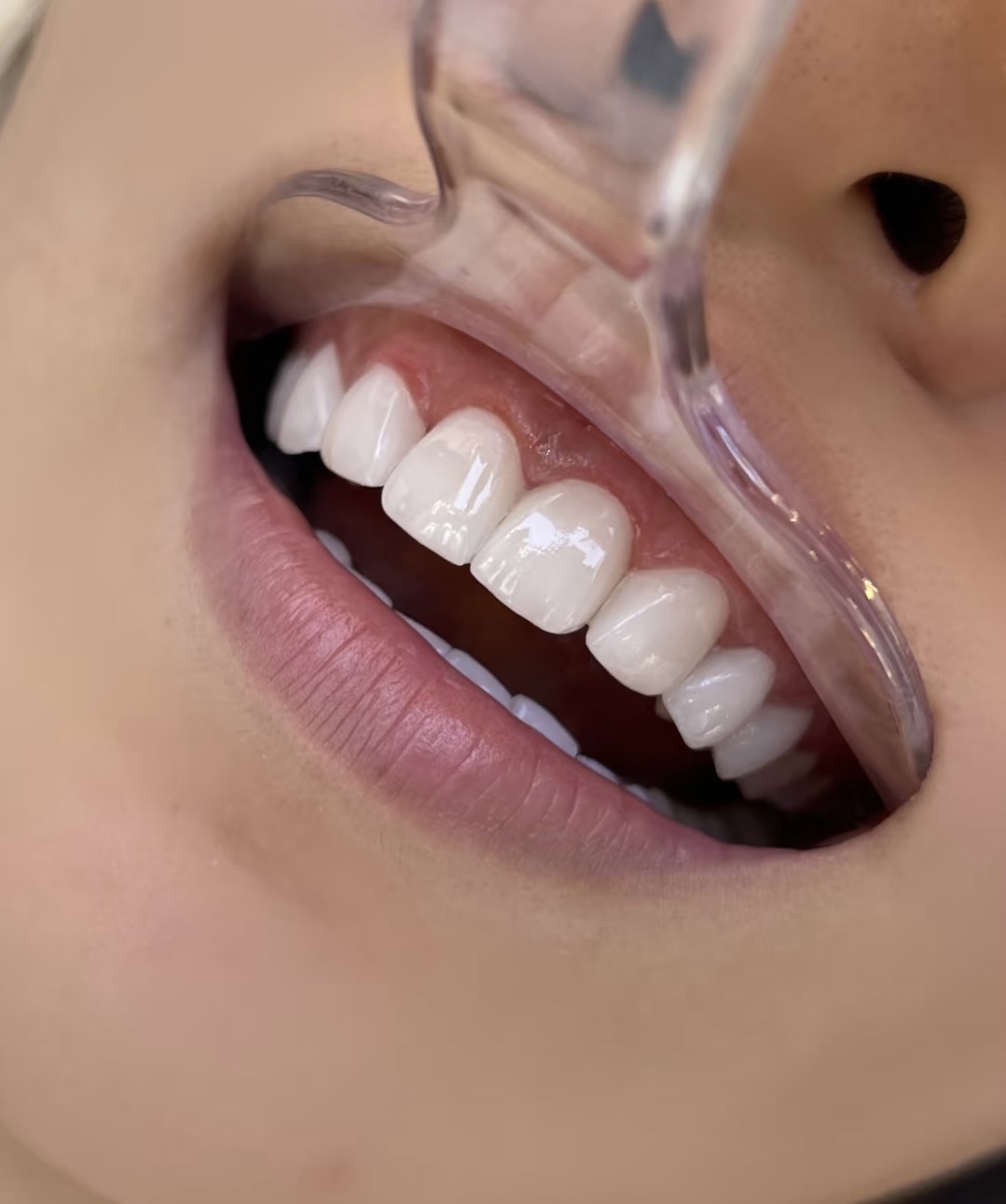
CEREC (Dentsply Sirona) and Planmeca demonstrated chairside milling machines capable of producing Zirconia Layered Veneers in a single visit.
Improved sintering ovens now reduce processing time while maintaining material integrity.
c) Fully Digital Smile Design (DSD)
Clinicians can now use digital smile simulations to plan veneer shapes and shades collaboratively with patients before fabrication.
3. Minimally Invasive Techniques
A major trend highlighted at the exhibition was ultra-thin zirconia veneers (as thin as 0.3mm), which require minimal tooth preparation. Benefits include:
Preservation of natural tooth structure
Reduced sensitivity compared to traditional veneer prep
Faster treatment times
Brands like Katana Zirconia (Kuraray Noritake) and BruxZir (Glidewell) showcased their ultra-thin High-Strength Zirconia Layered Veneers, proving that strength does not require bulk.
4. Customization & Shade Matching
Achieving lifelike aesthetics is critical for veneers. The exhibition featured:
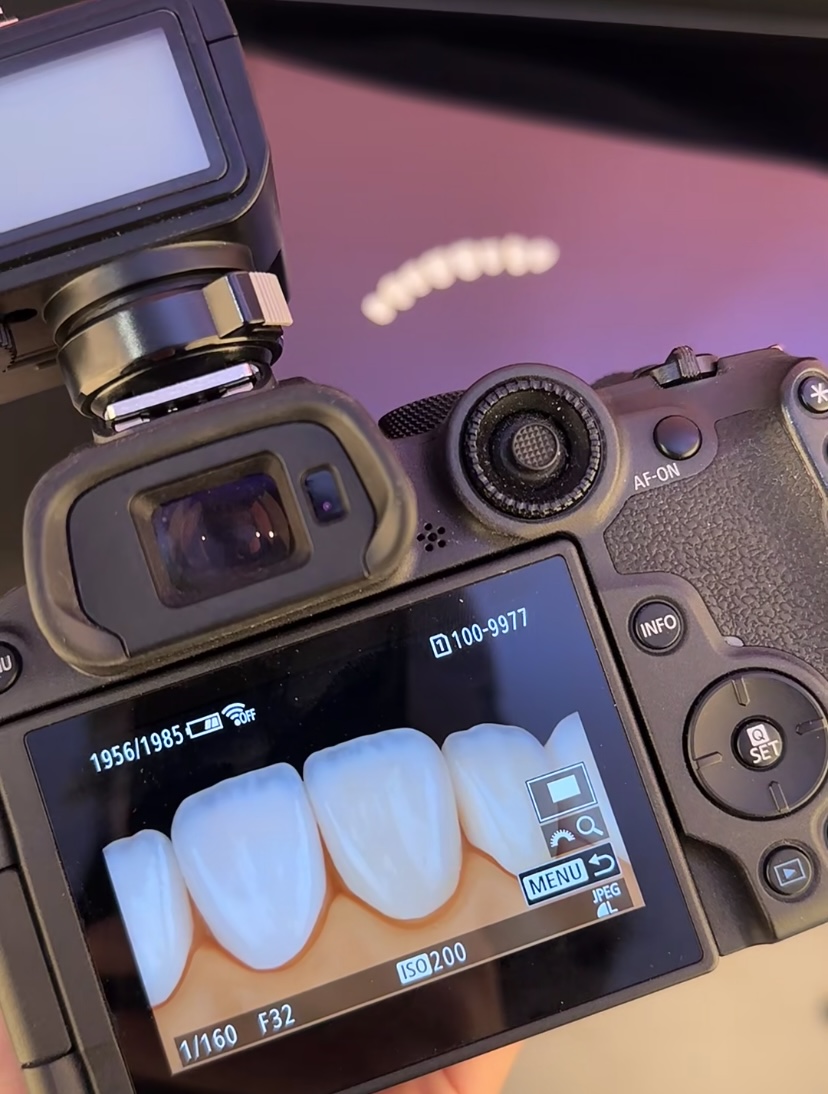
Multi-layered zirconia with gradient shades to replicate natural enamel.
Surface texture customization using laser etching and staining techniques.
Fluorescence properties that mimic natural tooth response to light.
Companies such as VITA Zahnfabrik and Ivoclar presented new shade guides specifically designed for zirconia restorations.
5. Sustainability in Zirconia Production
With growing environmental concerns, manufacturers are adopting eco-friendly production methods: