
At Shen Zhen Umei Stomatology Technology Co., Ltd. we understand that a beautiful smile starts with the perfect shade of dental veneers. Whether you're looking for a natural look or a Hollywood-worthy bright smile, selecting the right color for your veneers is crucial. This guide will walk you through the key factors to consider when choosing the ideal shade for your dental veneers.
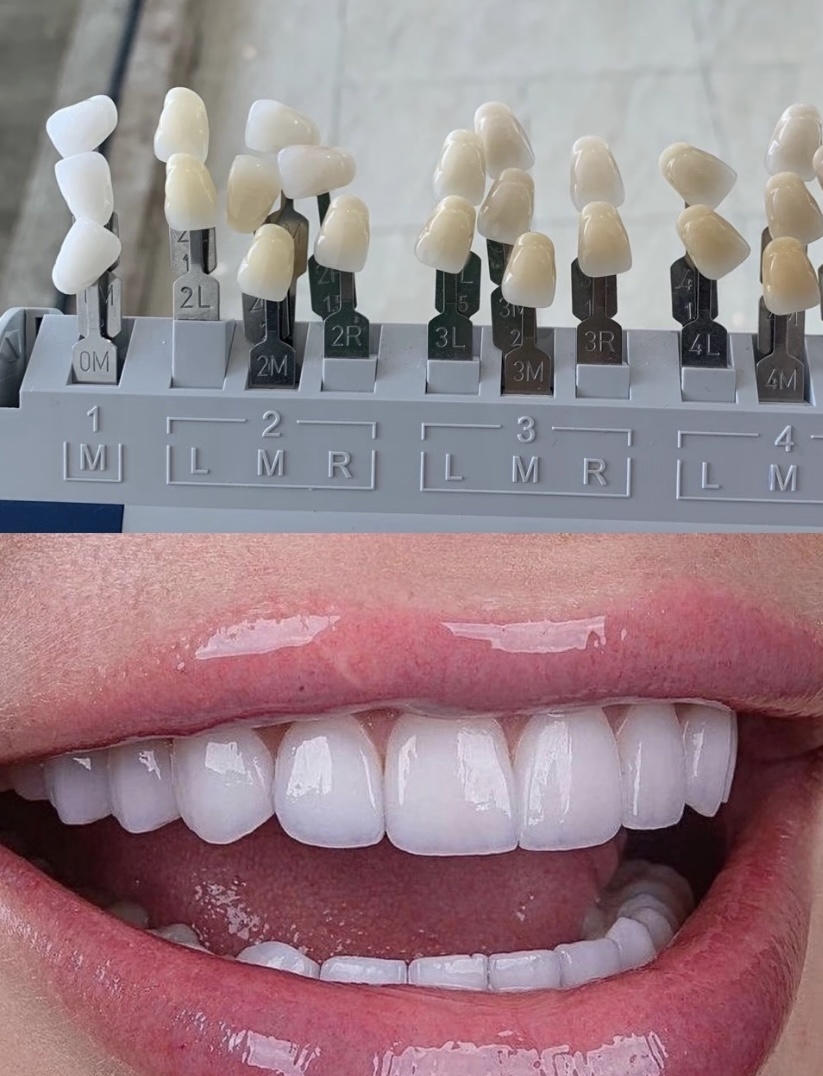
1. Understanding the Basics of Tooth Shade Selection
Dental veneers are custom-made, thin shells that cover the front surface of teeth to enhance their appearance. One of the most important decisions in the veneer process is selecting the right shade.
The Vita Shade Guide
Most dentists use the Vita Classic Shade Guide, which categorizes tooth colors into four main groups:
A (Reddish-Brown) – Natural, warm tones (common for E-max veneers)
B (Reddish-Yellow) – Slightly warmer than A
C (Greyish Shades) – Cooler, more neutral tones (often used with zirconium dental veneers)
D (Reddish-Grey) – Less common, often for specific cases
Each group has varying levels of brightness, allowing for precise customization.
2. Factors to Consider When Choosing Veneer Shade
A. Natural vs. Enhanced Whiteness
Natural Look: If you want your veneers to blend seamlessly with your natural teeth, your dentist will match them to your existing tooth color.
Brighter Smile: If you prefer a whiter, more radiant smile (like many celebrities), you can opt for a lighter shade than your natural teeth. However, extreme whiteness may look unnatural if not balanced properly.
B. Skin Tone & Facial Features
Your skin tone plays a significant role in how your teeth appear:
Warm Skin Tones (Yellow/Peach Undertones): Shades like A2 or B1 (common in E-max veneers) often look most natural.
Cool Skin Tones (Pink/Blue Undertones): Shades like C1 or bleached-white options (e.g., 0M1) may complement better, especially with zirconium dental veneers.
C. Eye Color & Hair Color
Surprisingly, your eye and hair color can influence the best veneer shade:
Dark Hair & Eyes: Medium to light shades (B1-A2) often look striking.
Light Hair & Eyes: Very white shades can sometimes appear too harsh, so a balanced B1 or A1 may be preferable.
D. Age Considerations
Younger Patients: Often prefer brighter, whiter shades (popular with porcelain veneers).
Older Patients: May opt for slightly warmer tones (A2-A3) for a more natural, age-appropriate look.
E. Lifestyle & Personal Preferences
Conservative Professionals: May prefer subtle, natural shades.
Public Figures & Performers: Often choose brighter shades for a camera-ready smile (common with Hollywood smile makeovers).
3. Professional Shade-Matching Techniques
At Shen Zhen Umei Stomatology Technology Co., Ltd. we use advanced techniques to ensure the perfect match:
A. Digital Shade AnalysisUsing spectrophotometers or digital imaging, we measure tooth color with high
precision (especially useful for E-max veneers).
B. Trial Smile (Wax-Up/Mock-Up)A temporary mock-up allows you to preview how different shades will look before finalizing your dental veneers.
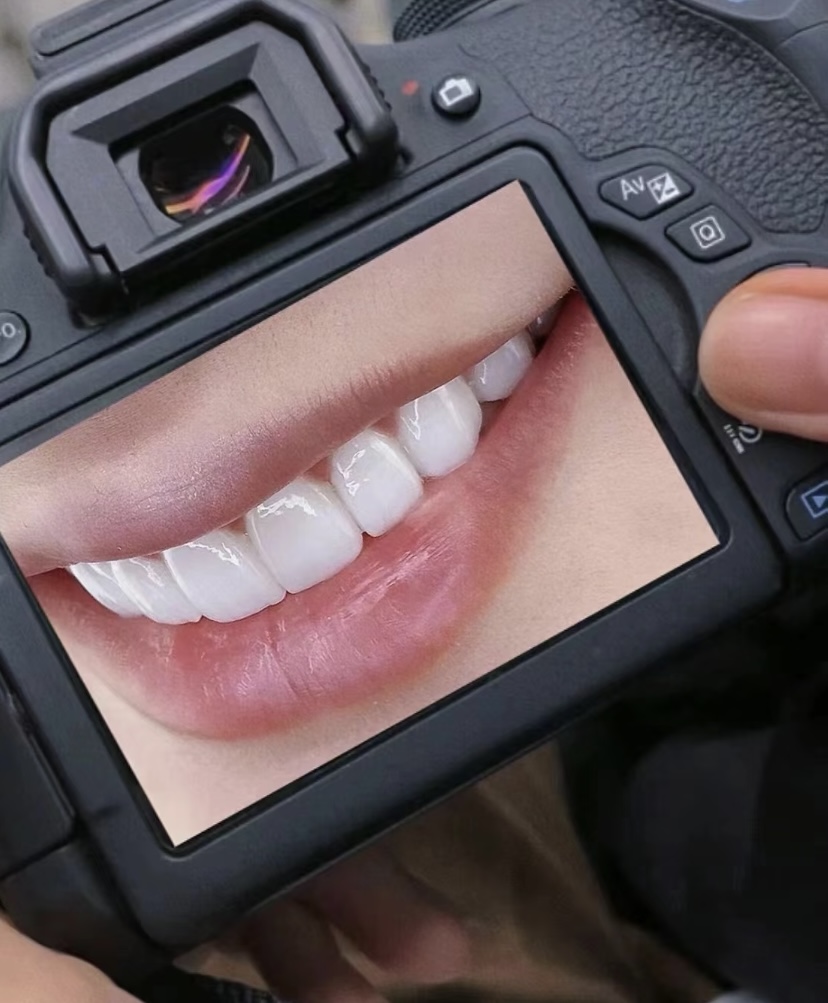
C. Natural & Artificial Lighting ChecksSince lighting affects color perception, we evaluate shades in different light settings to ensure your veneers look perfect in any environment.
4. Common Mistakes to Avoid
Choosing Too White: Extremely bright veneers can look fake and draw unwanted attention.
Ignoring Surrounding Teeth: If only some teeth are being veneered, the shade must harmonize with untreated teeth.
Not Considering Future Whitening: If you plan to whiten natural teeth later, veneers won’t lighten, so plan accordingly.
Choosing the right veneer shade is both an art and a science. At Shen Zhen U Mei Stomatology Technology Co., Ltd. we combine advanced technology with expert cosmetic judgment to help you achieve a stunning, natural-looking smile.
Ready to transform your smile? Book a consultation today and let us help you select the perfect veneer shade!