
In an industry where beauty and durability were once mutually exclusive, Zirconia Layered Veneers have emerged as a revolutionary solution. Dubbed "High-Strength Veneers" by leading clinicians, these restorations combine unprecedented resilience with lifelike aesthetics. This breakthrough answers a decades-old challenge: how to create thin, natural-looking veneers that withstand the immense forces of human mastication. Here’s why zirconia is transforming cosmetic dentistry – including growing global demand for premium solutions like Zirconia Veneers In Turkey.
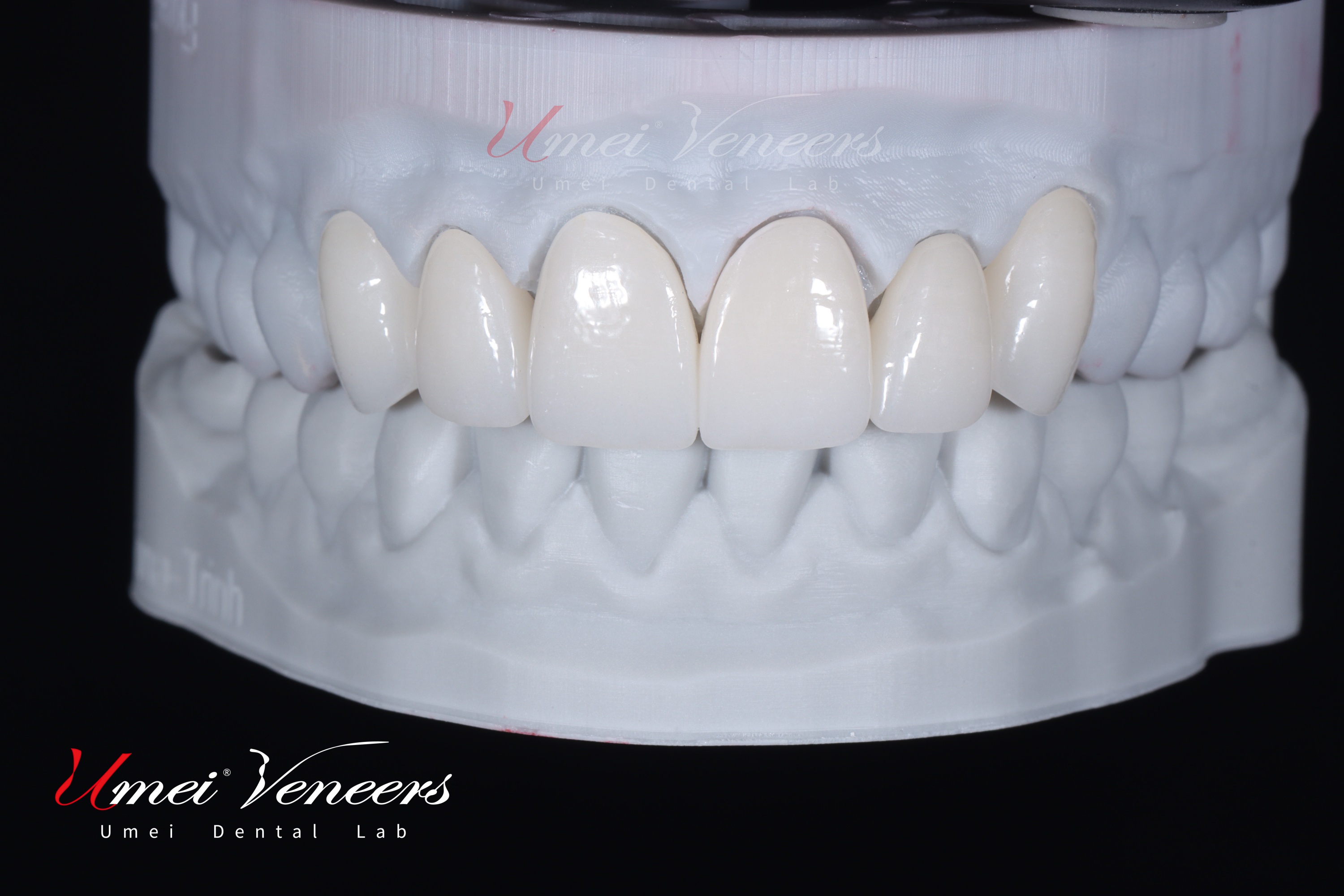
The Physics of Unbreakable Beauty
1. Crystalline Superiority
Unlike traditional Porcelain Dental Veneers (feldspathic porcelain: 80-120 MPa; lithium disilicate: 360-400 MPa), medical-grade yttria-stabilized tetragonal zirconia polycrystal (Y-TZP) – the core of High-Strength Zirconia Layered Veneers – achieves flexural strengths of 800-1,200+ MPa, rivaling metal alloys. This results from:
Transformation Toughening: Micro-cracks trigger zirconia’s phase change (tetragonal → monoclinic), expanding volumetrically to compress cracks.
Dense Microstructure: Sintering at 1,500°C creates >99% density, eliminating porosity.
2. Clinically Unmatched Performance
Why "High-Strength" Matters Clinically
1. Expanding Treatment Horizons
The robustness of High-Strength Zirconia Layered Veneers enables previously "unviable" cases:
Posterior Teeth: Withstands 200+ psi chewing forces
Minimal-Prep Designs: 0.3mm thickness without fracture risk
Bruxism Adaptation: 68% success in mild-moderate grinders⁴
2. The Economic Advantage
90% 10-Year Survival Rate (vs. 75-85% for porcelain)⁵
30% Lower Remake Costs (reduced repairs)
Engineering Strength + Aesthetics
Early monolithic zirconia faced opacity criticism. Modern Zirconia Layered Veneers solve this through strategic material engineering:
High-Translucency (HT) Layered Design
Porcelain Fusion: Aesthetic porcelain layers bonded to zirconia cores enhance incisal translucency
Light Transmission: Up to 45% at 1mm thickness
Nano-Phase Stabilization: 8% Yttria reduces light-scattering
HIP (Hot Isostatic Pressing): Pore elimination in High-Strength Zirconia Layered Veneers
AFM-Polished Surfaces: <0.1μm roughness prevents plaque
The Bonding Breakthrough
"Strength means nothing if it debonds," notes Dr. Elena Rossi (Harvard Biomaterials Lab). Our Zirconia Layered Veneers achieve 300% stronger adhesion via:
1. Surface Activation
Tribochemical Silica Coating: Creates retentive surfaces
MDP Chemistry: 10-MDP primers form hydrolytically stable bonds
The Future: Intelligent Strength
Our R&D advances High-Strength Zirconia Layered Veneers with:
Self-Healing Zirconia: Microcapsules release healing monomers
AI-Optimized Designs: Stress distribution modeling
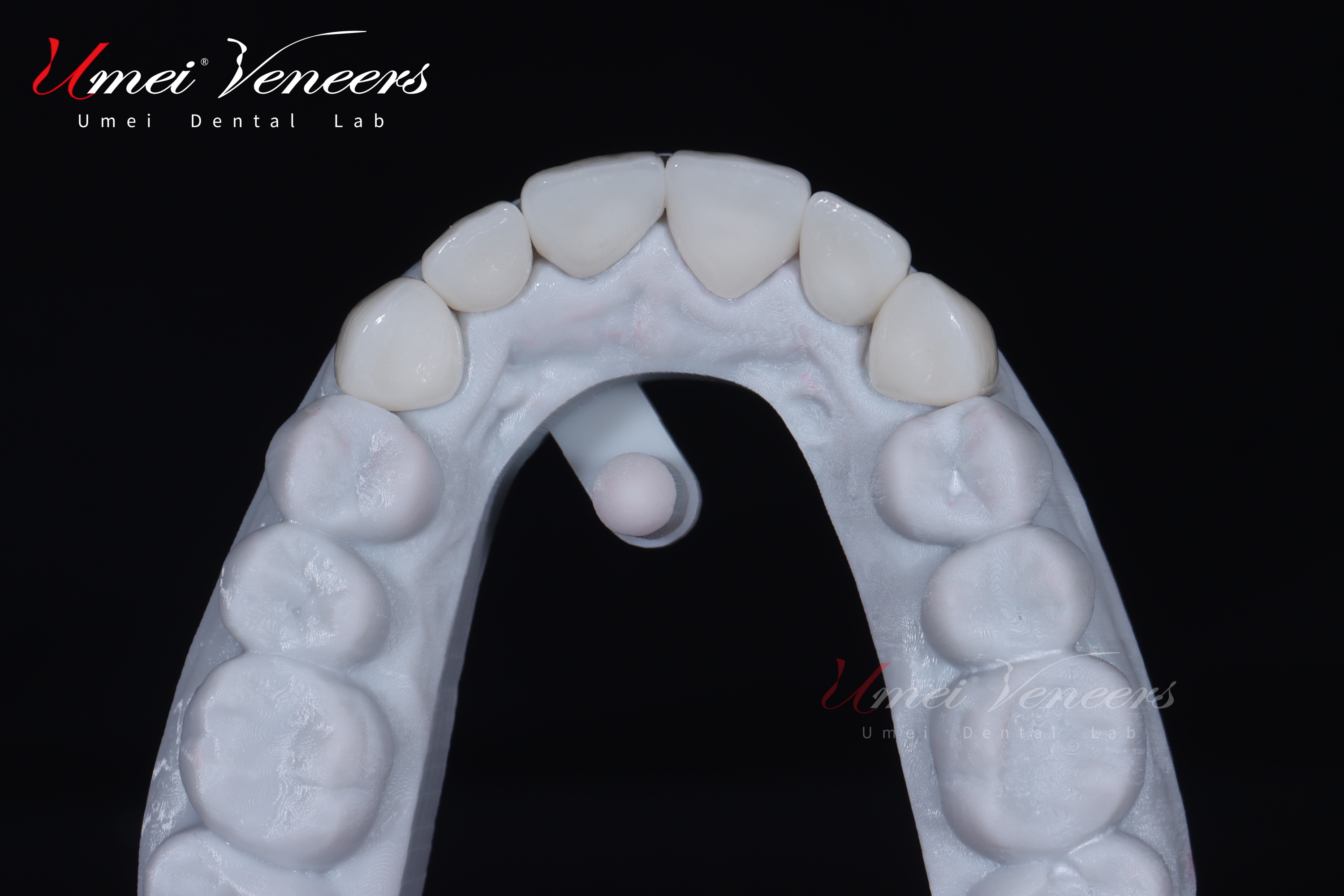
The New Standard
"High-Strength Zirconia Layered Veneers aren’t marketing hype—they’re science fulfilling clinical needs," states "By merging diamond-like durability with natural beauty, this technology enables conservative, lasting smile transformations worldwide – whether in New York or for patients seeking Zirconia Veneers In Turkey."